


Study evaluates tailored strategies to improve evidence-based PTSD therapy use in military clinics. Findings highlight the need for both localized and systemic implementation support for sustainable outcomes.

This study surfaces the unique challenges of active duty U.S. Army spouses and offers guidance to adapt the Veteran Spouse Resiliency Group (V‑SRG): address career and childcare barriers, improve access to care, and deliver flexible, community‑building peer support.
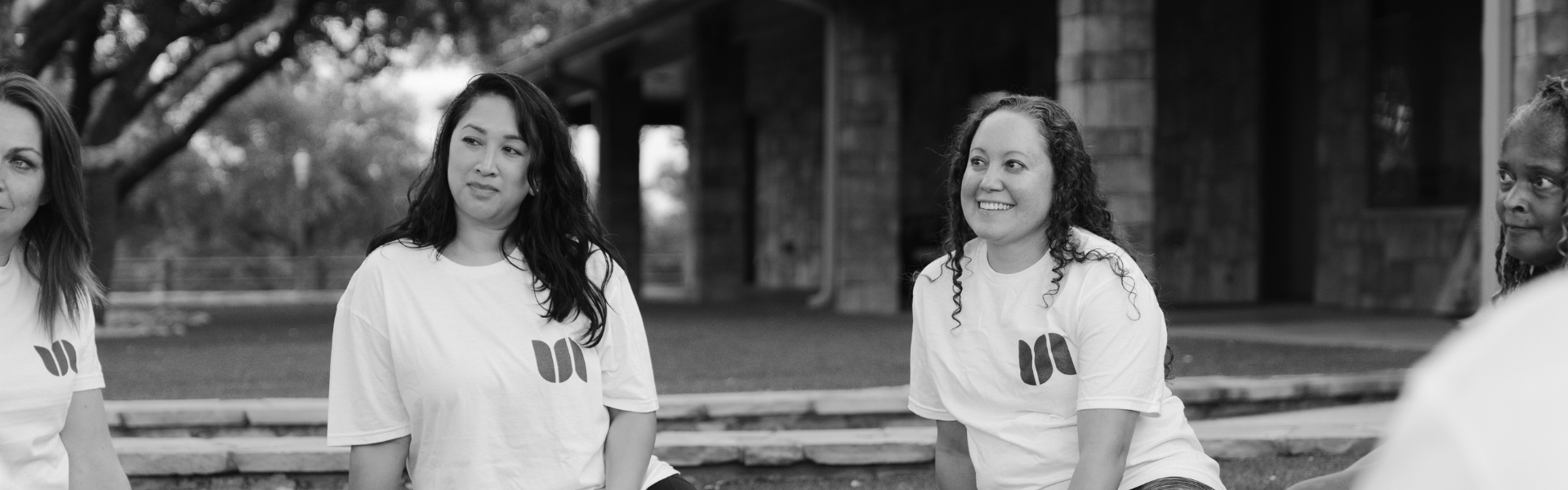
Developed through evaluation of the Veteran Spouse Resiliency Group, the MVSSCI demonstrates strong reliability, convergent and discriminant validity. Its brief, culturally informed format reduces burden and helps target self‑care interventions for military families.

This study compares four prominent suicide prevention frameworks, analyzing their components using NAM and SAMHSA models. Findings guide healthcare systems and organizations in designing effective, tailored prevention programs.

Reflecting on V‑SRG’s pandemic pivot, online groups preserved safety and connection while broadening reach to rural and remote spouses. Insights include addressing tech barriers, providing training/resources, and designing resilient, accessible peer support.

This study presents the VA Patient Safety Center of Inquiry—Suicide Prevention Collaborative, a community-based model that links VHA and local partners to reach veterans outside VHA care. It piloted evidence-based interventions, trained 300+, and produced an implementation toolkit.

This evaluation of Military‑Informed Care training for private‑sector clinicians analyzes outcomes using the AMCC. Results show significant gains in military cultural knowledge and attitudes, with 91.4% planning practice changes—guidance for systems aiming to improve veteran care outside the VA.

This randomized study of 322 active duty service members tests how interpersonal support relates to PTSD symptom change in Cognitive Processing Therapy. Findings show social support as a critical factor across group and individual CPT, informing family‑centered and skills‑based approaches.

This guide maps actionable ways to engage concerned significant others—family, caregivers, peers—in veteran suicide prevention. Based on a national convening, it outlines barriers, co‑created strategies, and tools for research and clinical integration.

This study introduces TACTICS—a targeted, context‑tailored implementation approach to increase evidence‑based psychotherapy in military behavioral health. Using a cluster‑randomized stepped‑wedge design, it addresses clinic‑specific barriers and evaluates uptake and sustainment.
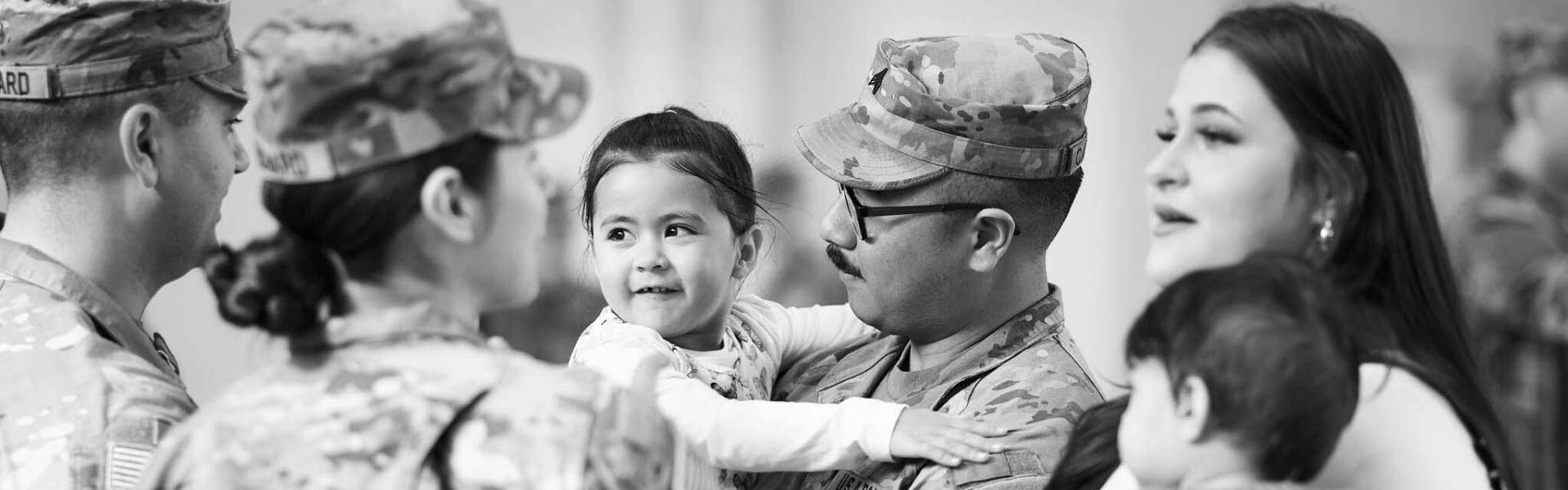
This conceptual paper spotlights spouses’ military‑to‑civilian transition, synthesizing evidence on career, identity, health, and community impacts. It calls for tailored services, culturally competent care, and focused research to support families beyond separation.
Study evaluates tailored strategies to improve evidence-based PTSD therapy use in military clinics. Findings highlight the need for both localized and systemic implementation support for sustainable outcomes.
This evaluation of Military‑Informed Care training for private‑sector clinicians analyzes outcomes using the AMCC. Results show significant gains in military cultural knowledge and attitudes, with 91.4% planning practice changes—guidance for systems aiming to improve veteran care outside the VA.
This randomized study of 322 active duty service members tests how interpersonal support relates to PTSD symptom change in Cognitive Processing Therapy. Findings show social support as a critical factor across group and individual CPT, informing family‑centered and skills‑based approaches.
This study introduces TACTICS—a targeted, context‑tailored implementation approach to increase evidence‑based psychotherapy in military behavioral health. Using a cluster‑randomized stepped‑wedge design, it addresses clinic‑specific barriers and evaluates uptake and sustainment.
This study surfaces the unique challenges of active duty U.S. Army spouses and offers guidance to adapt the Veteran Spouse Resiliency Group (V‑SRG): address career and childcare barriers, improve access to care, and deliver flexible, community‑building peer support.
Developed through evaluation of the Veteran Spouse Resiliency Group, the MVSSCI demonstrates strong reliability, convergent and discriminant validity. Its brief, culturally informed format reduces burden and helps target self‑care interventions for military families.
Reflecting on V‑SRG’s pandemic pivot, online groups preserved safety and connection while broadening reach to rural and remote spouses. Insights include addressing tech barriers, providing training/resources, and designing resilient, accessible peer support.
This conceptual paper spotlights spouses’ military‑to‑civilian transition, synthesizing evidence on career, identity, health, and community impacts. It calls for tailored services, culturally competent care, and focused research to support families beyond separation.
This study compares four prominent suicide prevention frameworks, analyzing their components using NAM and SAMHSA models. Findings guide healthcare systems and organizations in designing effective, tailored prevention programs.
This study presents the VA Patient Safety Center of Inquiry—Suicide Prevention Collaborative, a community-based model that links VHA and local partners to reach veterans outside VHA care. It piloted evidence-based interventions, trained 300+, and produced an implementation toolkit.
This guide maps actionable ways to engage concerned significant others—family, caregivers, peers—in veteran suicide prevention. Based on a national convening, it outlines barriers, co‑created strategies, and tools for research and clinical integration.